
At J K Women Hospital, we understand that fertility journeys can be emotional and financially significant for couples. Our goal is to provide evidence-based fertility care combined with transparent counselling so couples can make informed decisions.
Our fertility services focus not only on achieving pregnancy but also on ensuring the long-term health of both mother and baby.
When pregnancy does not occur despite regular attempts, a structured fertility evaluation helps identify possible causes and guide treatment. Evaluation may include hormonal testing, ovulation tracking, ultrasound assessment of the uterus and ovaries, tubal evaluation, and comprehensive semen analysis.
Most couples are advised fertility evaluation after one year of trying, or after six months if the woman is above 35 years of age.
Many couples benefit from medical guidance on improving natural fertility. Treatment may include lifestyle guidance, dietary modifications, ovulation support, fertility-enhancing endoscopic procedures, and other supportive therapies depending on the cause of infertility.
IUI is often recommended as the first assisted fertility treatment for suitable couples. Specially prepared concentrated sperm is placed directly into the uterus around the time of ovulation to increase the chances of fertilisation. The procedure is simple, minimally invasive, and performed on an outpatient basis.
IUI may be recommended in cases of mild male infertility, ovulation disorders, unexplained infertility, or when donor sperm is used.
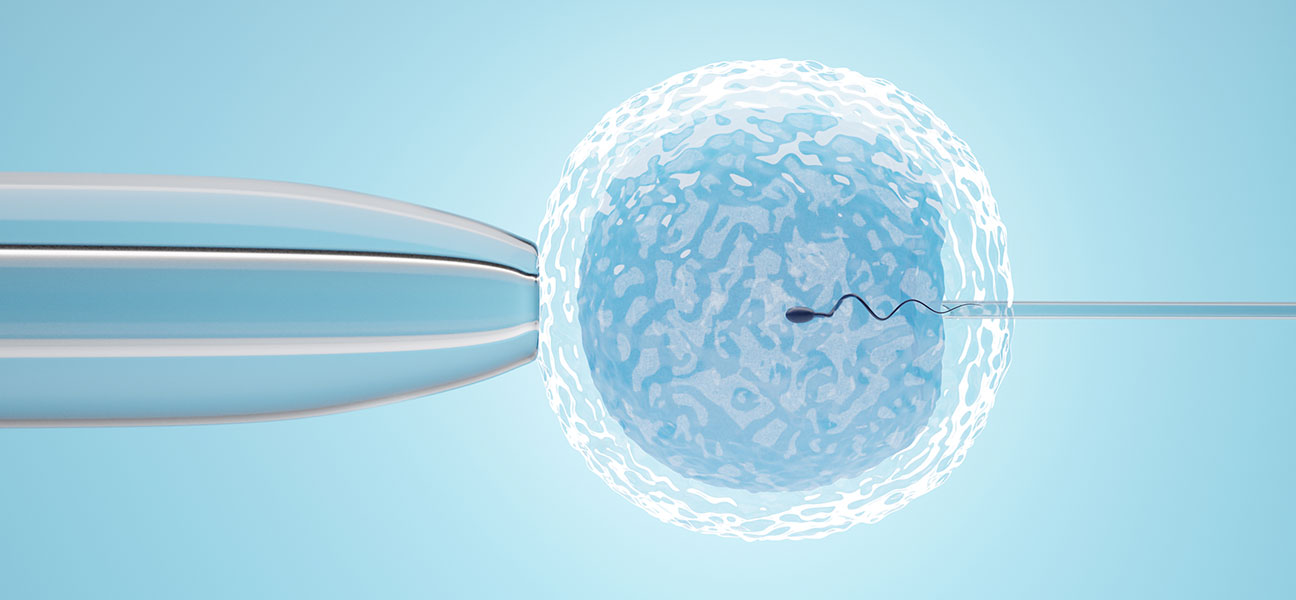
In-Vitro Fertilisation (IVF) involves fertilising eggs with sperm in a specialised laboratory environment before transferring the embryo into the uterus. ICSI (Intracytoplasmic Sperm Injection) is a specialised IVF technique where a single sperm is injected directly into the egg — particularly useful in cases of severe male infertility or fertilisation failure.
IVF may be recommended for blocked fallopian tubes, severe male infertility, endometriosis, or long-standing unexplained infertility. A typical IVF cycle takes about 4–6 weeks, though treatment plans vary individually.
Egg freezing allows women to preserve their fertility for the future. Eggs are retrieved and frozen using advanced vitrification techniques. Freezing at an earlier reproductive age generally improves future success rates.
Certain medical treatments such as chemotherapy or ovarian surgery may affect fertility. Fertility preservation options (Oocyte/Embryo freezing, Ovarian Tissue cryopreservation) allow individuals to safeguard their reproductive potential before undergoing such treatments.
Extensive global research shows that most babies born through assisted reproductive techniques are healthy and develop normally.
Fertility treatments are carefully monitored to protect the mother’s health. Medications and procedures are conducted under strict supervision with regular ultrasound and hormone monitoring.
We recognise that fertility treatment is a significant financial decision for many families. Patients are counselled clearly about treatment costs, expected outcomes, and possible number of cycles before beginning treatment.